
Coming in October: We will be launching a pilot for a new social group for LGBTQ+ people 50+. These social sessions will be held at the National Maritime Museum. For more information and to book your free tickets visit Bijou Socials Tickets | Multiple Dates @ National Maritime Museum, London | FREE | OutSavvy
Bijou Stories has it roots in oral history, in the traditions of sharing stories and memories, of documenting people’s personal histories to creatively document our understanding of the past and the present and even help mark signposts to the future. Traditionally, marginalised voices have been excluded from the dominant narratives, queerwashed out of the mainstream and into the margins. As recently as the 80s there was a move to silence gay voices with the introduction of Section 28, a pernicious attempt to ‘other’ gay people. Worryingly, there is now a resurgence of anti-LGBTQ+ sentiment cross the country, with books being removed from libraries, Pride flags being taken down and homophobic propaganda being given mainstream platforms. As much as ever, we need to reflect on our history and come together to show a united front against bigotry and division.
Using lived experience of participants, we aim to paint a new picture of the LGBTQ+ community co-curated by participants and artists. We will be capturing and documenting shared stories and inviting participants to work with artists to re-imagine them and create new artworks for exhibition and live events
The stories we collect do not need to follow a narrative arc; they can be random memories about a lost London gay pub, a song, a scene from a film that has personal resonance, a political demo, secrets of polari, a person, a cabaret performance etc. The performances we create may not always be a narrative, but a ‘variety club’ style show that might feature songs, spoken word, disco dances, quizzes, shadow puppetry, lip sync dramas, competitive challenges, desperate divas and video backdrops to amplify the stories. Performances will bring together artists and participants to create a work that is both alternative archive and unique artwork. So, a story could become a comic strip, a short film (or “bona vignette”), it could be retold by a drag queen storyteller or be transformed into a spoken word piece by the participant themselves etc.
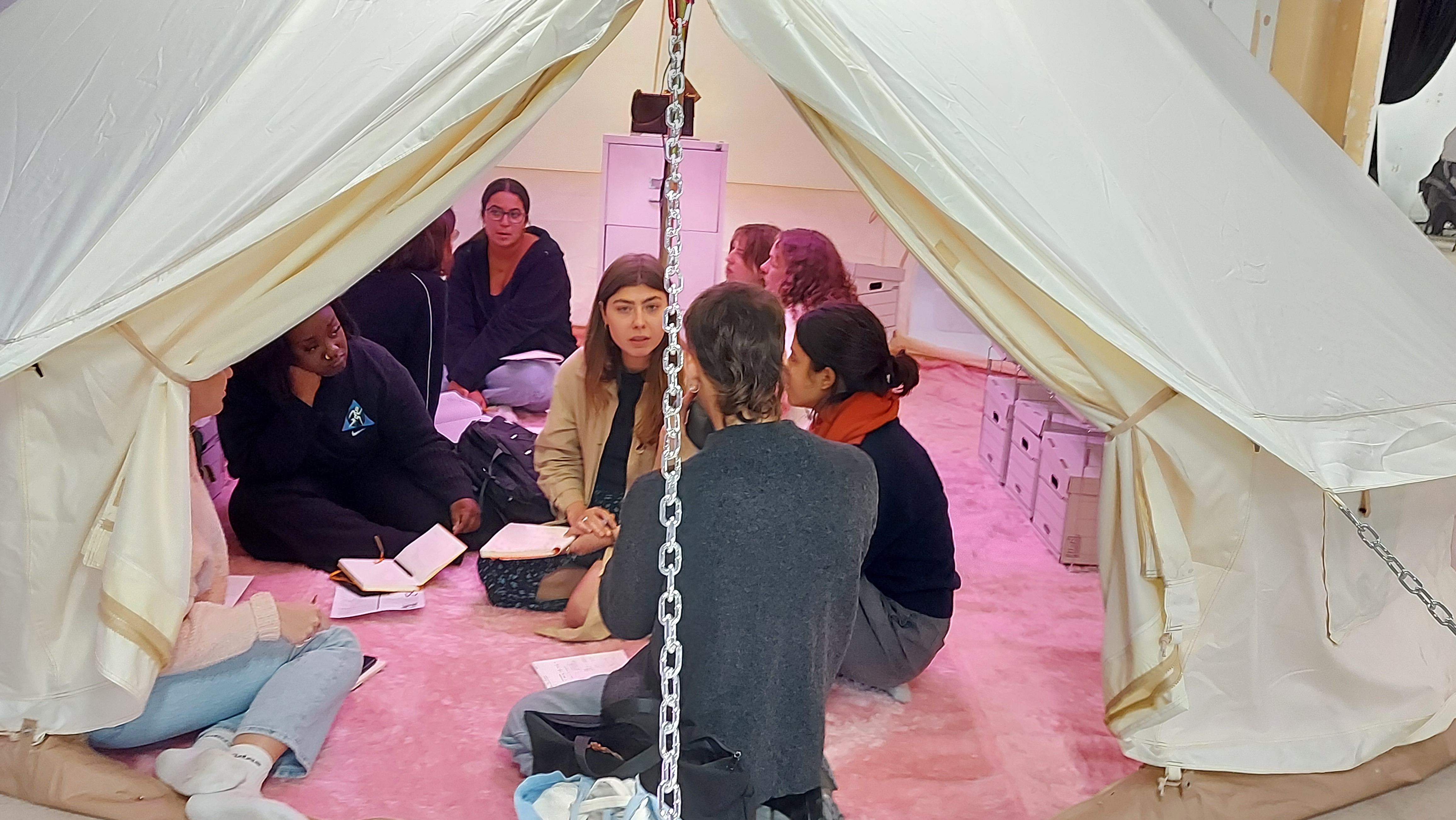
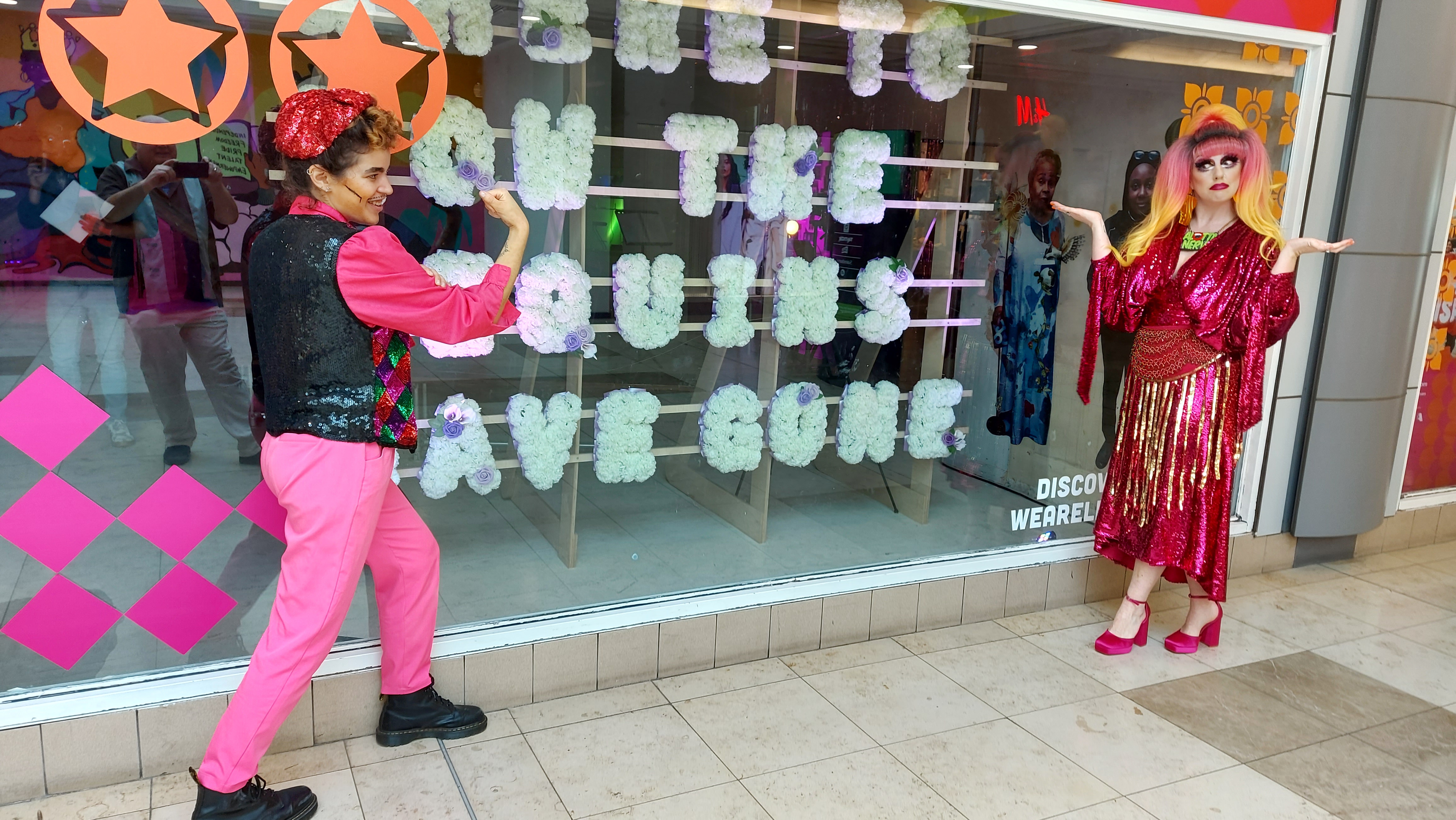
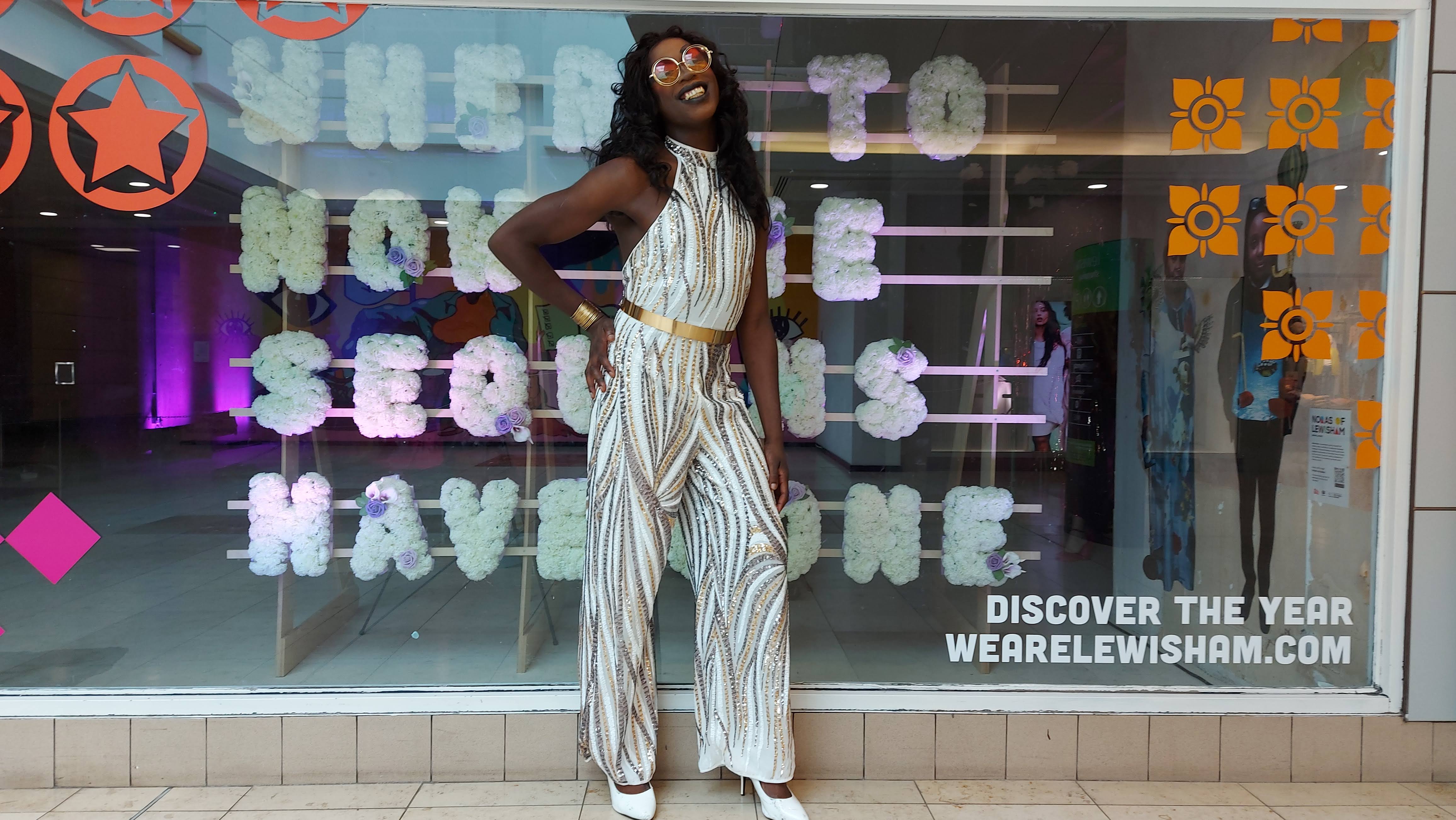
Since Bijou Stories began in 2020 we have been selected as part of the Borough of Culture to work with Goldsmiths University and London Borough of Lewisham to deliver, Where to Now the Sequins Have Gone? an exploration of the lost gay bars of Lewisham which resulted in a podcast and a hybrid community space/exhibition in Lewisham Shopping Centre. Through this project we were able to collect stories from the local gay community and explore the potential of ‘meanwhile’ High Street spaces.
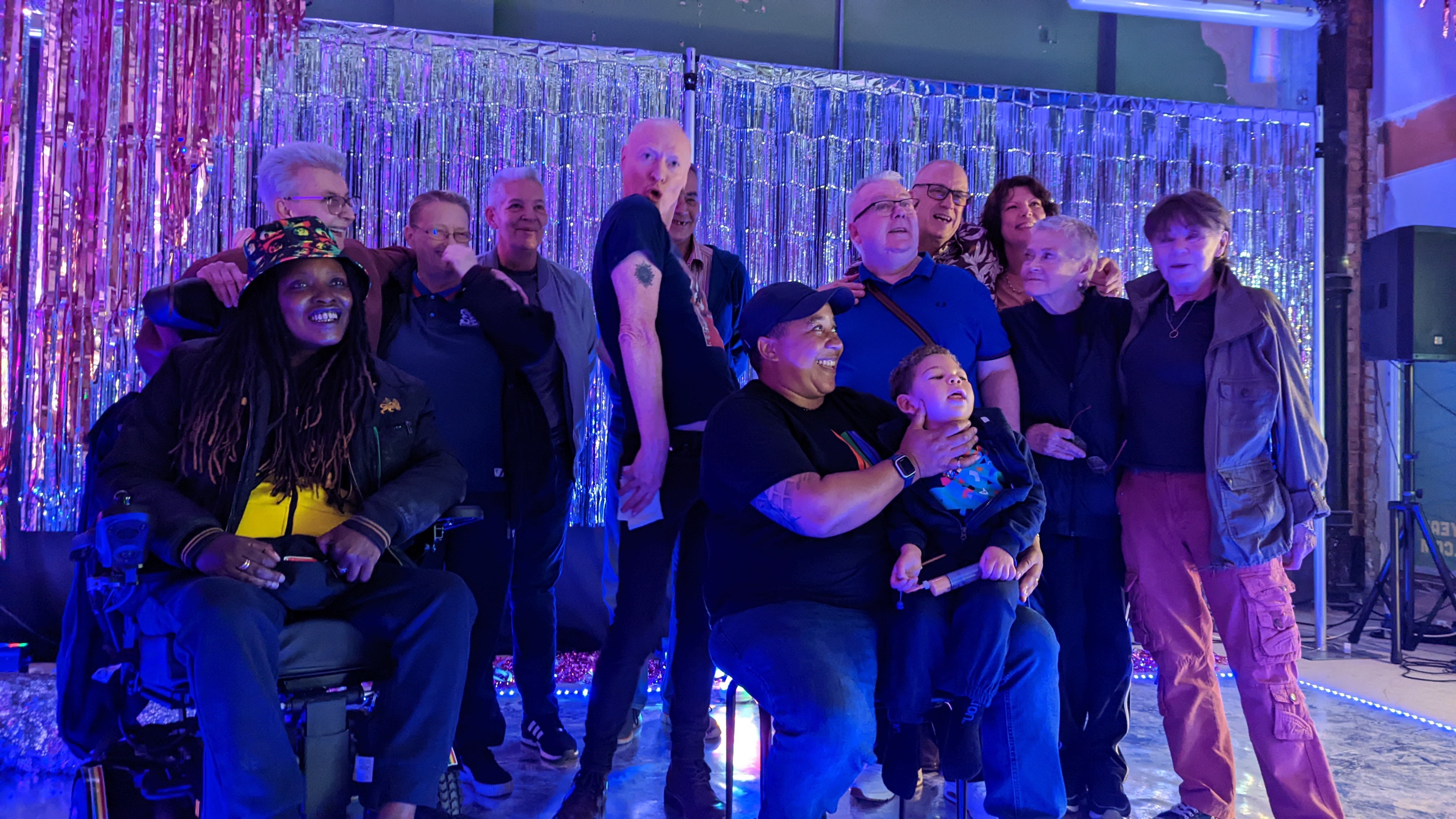
Songbook explored the impact of popluar culture on participants and resulted in a variety show at The Albany in Deptford. The show was set in an imagined pre-decriminalisation, gay bar in a house in Woolwich. This 1960s ‘molly house’ was visited by participants who told their stories ranging from David McGillivray’s favourite pop song, memories of a first visit to The Castle pub in Lewisham and an impromptu lesson in Polari from Lily Law.
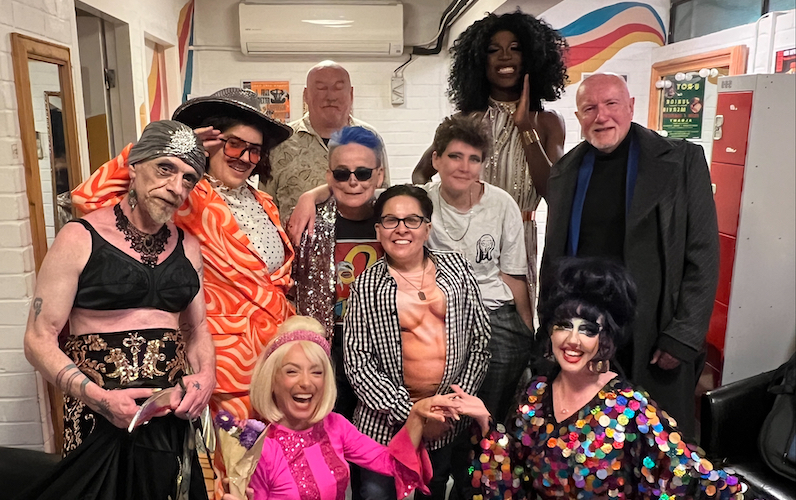
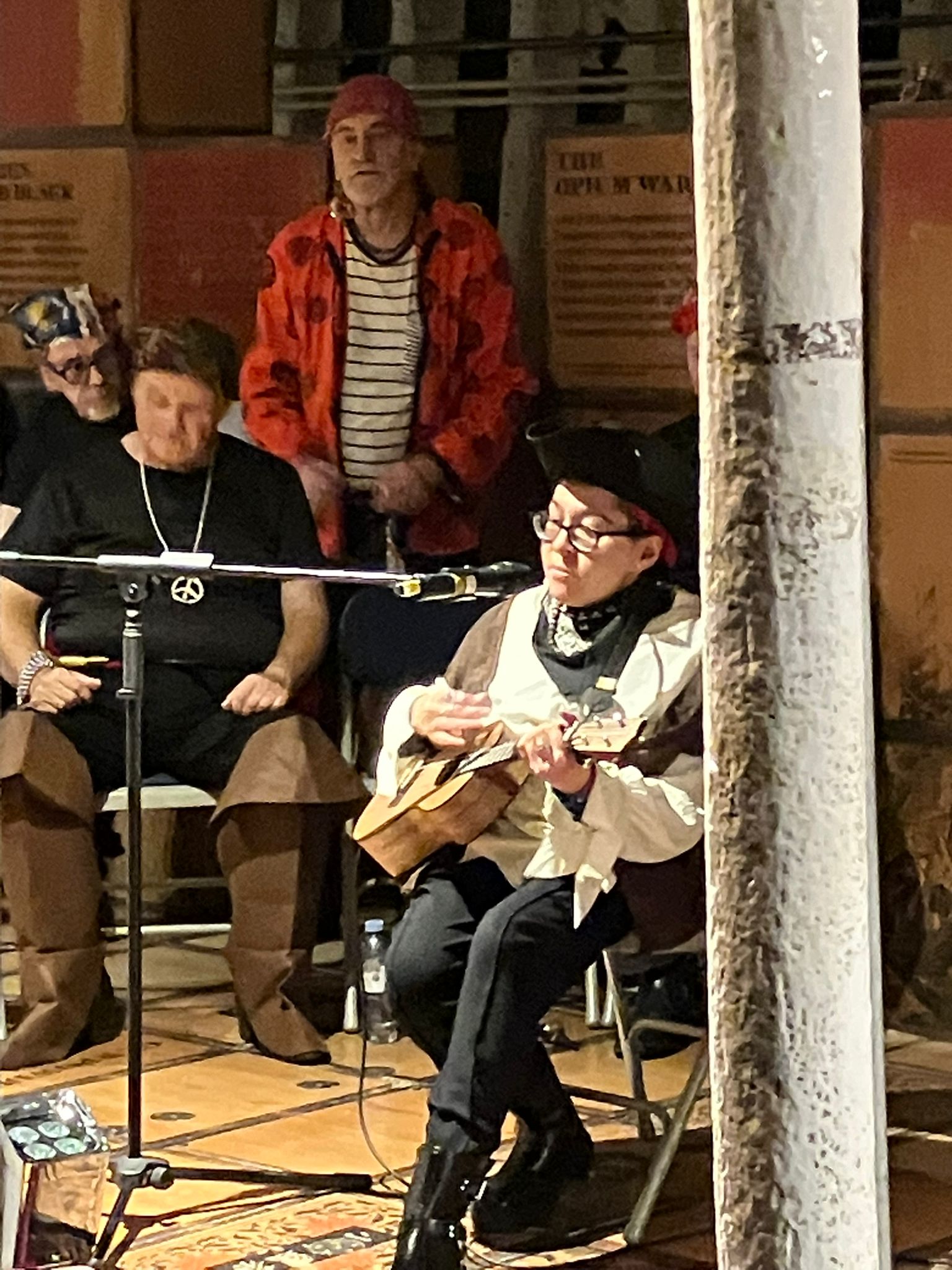
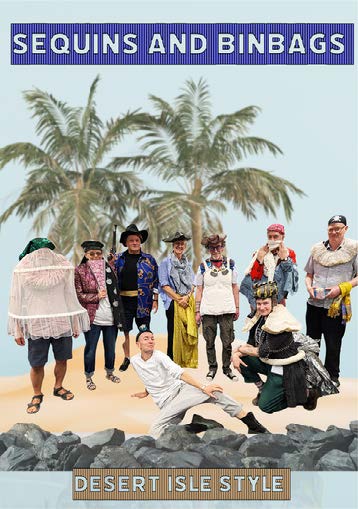
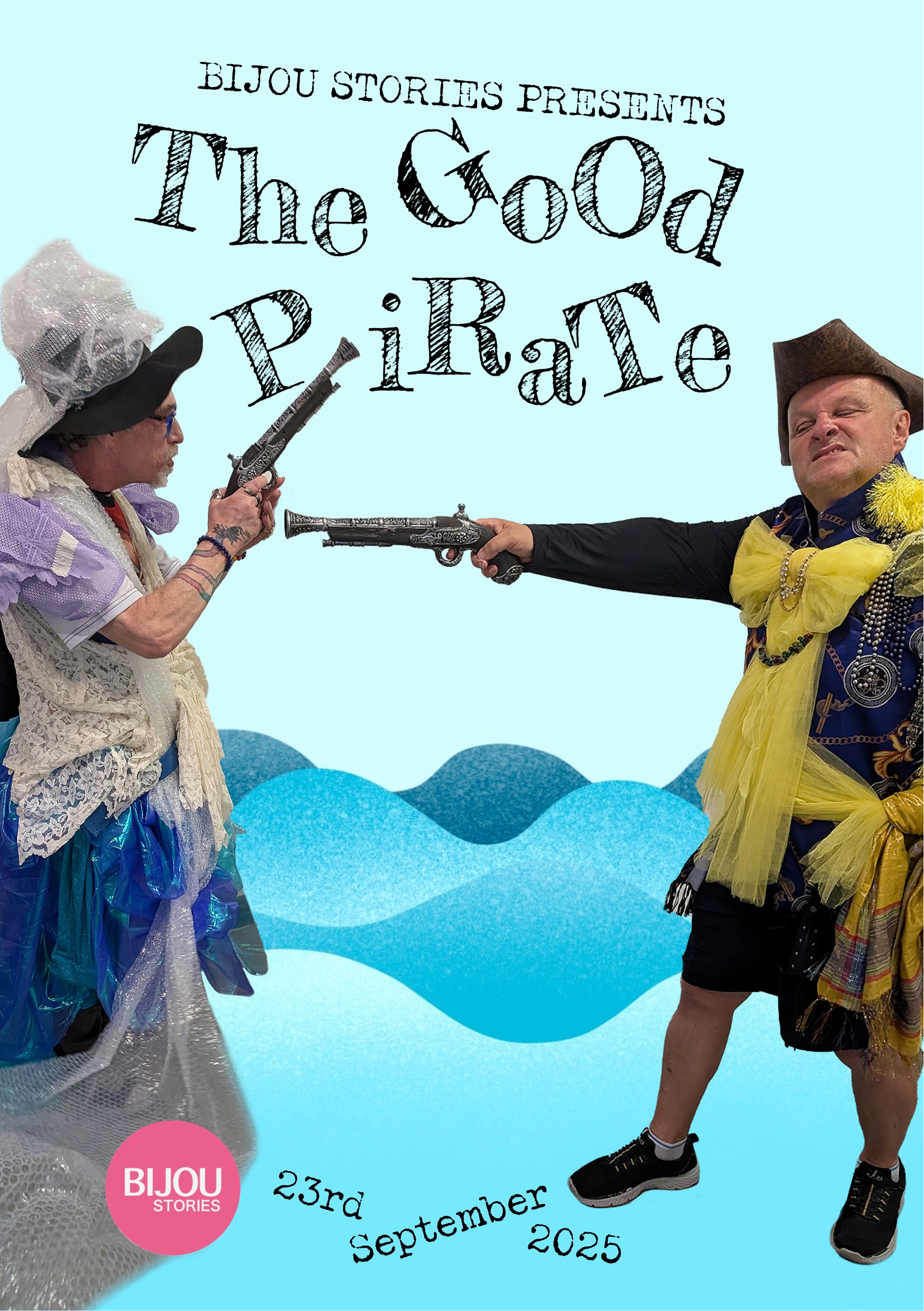
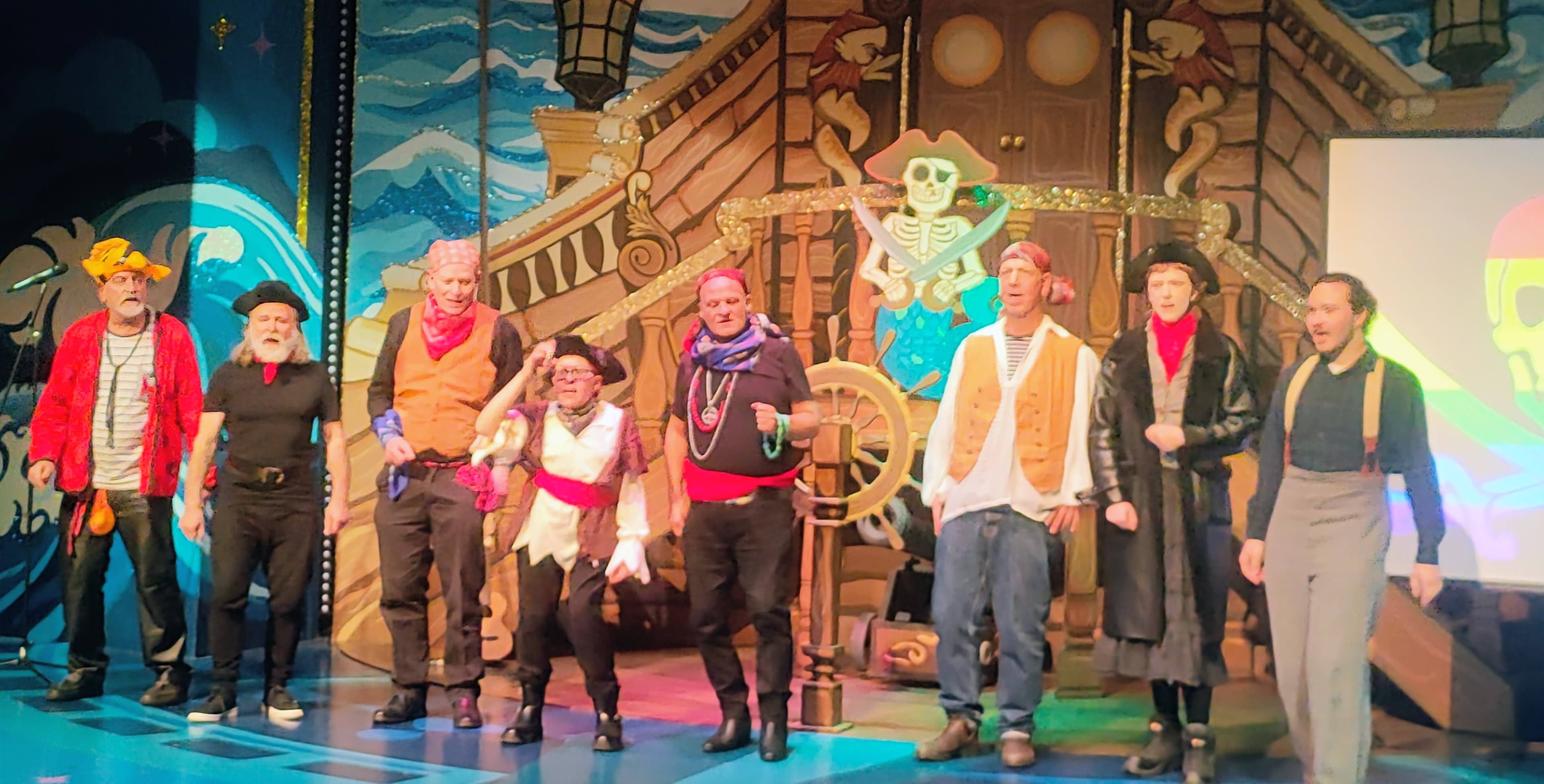
Using the same format we began to look at an alternative history of piracy, inspired by the National Maritime Museum’s Pirates! exhibition. The participants began to create pieces that helped tell a very queer story of life at sea. The show was first performed to a sell-out audience onboard the iconic Cutty Sark in September 2025. It was then adapted and given a pantomime theme before being staged on the Peter Pan set at Greenwich Theatre.
Project curator Paul has previously been involved in a number of LGBTQ+ focused projects including
The Walk of Shame at Tate Britain. Exploring the collection from a uniquely queer perspective with performance artist Caroline Smith.
Fritz Haeg’s Sundown Schoolhouse at Hayward Gallery
The Shame Show at MK Gallery, Milton Keynes, exploring concepts of shame in the format of a light entertainment TV show

